

The Coalition for a Drug-Free Greater Cincinnati is gearing up for the important "Parents Who Host" campaign.
How you can help:
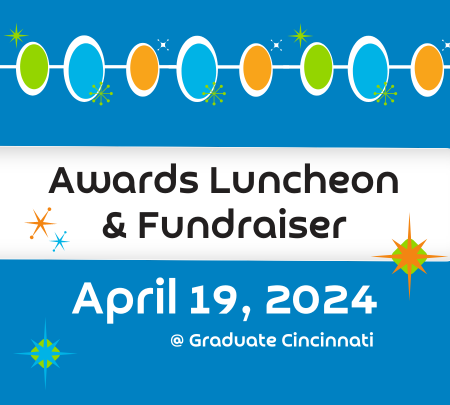
The Coalition for a Drug-Free Greater Cincinnati's Annual Community Breakfast Event is on the calendar. This year's event will be held on Friday, April 30, from 8-10 am at the Hyatt Regency Downtown.
In addition to the chance that the sun could actually be shining again by late April, this is one of my favorite things to host with the Coalition and its friends. The annual breakfast is a moment in our schedules to stop and review to our progress to date. We celebrate our successes, have the opportunity to make new friends, and to renew our energy to continue our work in preventing youth drug and alcohol use.
Please save the date on your calendars and come out to support the Coalition's work. Invitations and ticket information will be sent shortly. Sponsorship information can be obtained by contacting Claudia Harrod by phone at 513-604-8181.
Thank you and we look forward to sharing breakfast with you!
![]()
After you watch these videos, don't forget to take our Parent Survey!
On March 20th, the Coalition for a Safe and Drug-Free Fairfield and its local law enforcement partners will be working to raise awareness about the importance of prescription and over-the-counter drug safety by providing a place for the safe disposal of unused or expired medicines. Proper disposal of these drugs keeps it out of the hands of kids and is better for the environment.
Citizens can drop off their unused or expired prescription and over-the-counter drugs at the Fairfield City Police Department First Drug Disposal Day on March 20th from 10 a.m.-4 p.m. at either the Fairfield City Police Department or next to Meijiers on S. Gilmore.
Implementing this initiative in your area is a great opportunity to increase participation of law enforcement in coalition efforts and to focus attention on the dangers of prescription and over-the-counter drug abuse among youth. Many thanks to the Fairfield City Police department and other county law enforcement agencies who are coordinating this important event.
All of us want to see our children grow up healthy, full of vigor and vitality, pursuing their dreams and achieving productive contributions for their community and society. None of us wants to see our children become addicted to drugs or alcohol.
The way we maximize the odds of them becoming productive citizens as opposed to citizens with behavioral problems needing a solution is through environmental approaches.
Environmental substance abuse prevention consists of those evidence-based practices used to change the "context" in which substance use and abuse occur. Environmental strategies incorporate prevention efforts aimed at changing or influencing community conditions, standards, institutions, structures, systems and policies. These approaches potentially reach entire populations and reduce collective risk. They create lasting changes in community norms and systems, producing widespread behavior change and, in time, reducing problems for entire communities.
Below are several examples of environmental prevention strategies related to underage drinking that CDFGC and others around the region are pursuing:
Last month's historic blizzard may have shut down Washington, D.C., but it didn't stop CDFGC Community Coordinator Stacy Mathis from making
Writing a successful Drug Free Communities (DFC) grant has become increasingly challenging especially with the continued high numbers of applicants. For the 2010 grant cycle, the Office of National Drug Control Policy (ONDCP) estimates that 150 grants will be awarded, including both Year 1 and Year 6 grants combined. However, there are some basic steps that coalitions can take to increase the likelihood that their application will be sent to peer review and receive a favorable score. Below are some guidelines to developing a successful DFC application.
A community-based prevention system, such as that found in coalitions, can reduce adolescent alcohol and other drug use according to a study in the September 2009 issue of Archives of Pediatrics and Adolescent Medicine.
The old saying, “it takes a community…” is very applicable to the prevention of teen substance abuse. Many sectors of the community, parents, educators, police, judges, social workers, ministers and faith-based organizations, medical personnel, media and other business professionals, etc., should be involved in this effort. Why? They all have varying influence on the lives of young people. They all have different levels of expertise to contribute. They all bring different perspectives for analyzing problems and implementing effective practices. Prevention specialists need and require the help of the community – the environment.
This Spring, which we all hope arrives sooner rather than later, the Coalition for a Drug-Free Greater Cincinnati will release the latest local data from the Pride Student Drug Use Survey. Sponsored by CDFGC every two years, the data serves as the driver for youth drug and alcohol prevention programs at all levels, across the region. This year will be the sixth cycle of the survey.
The survey represents a significant investment of CDFGC resources, financial and otherwise. However, the CDFGC’s Board of Trustees makes this strategic choice to invest because it is a vital tool in our efforts to keep youth safe from the dangers of alcohol and other drug abuse.
The Coalition for a Drug-Free Greater Cincinnati is dedicated to data-driven decision making to support effective substance abuse prevention. Assessing the scope of the problem is necessary to gain a clear, unbiased understanding of the issues. The survey results help paint the picture of youth substance abuse patterns, including what influences those key, sometimes life changing, decisions. The findings help direct our efforts to where we can be the most effective, honing our resources to address key influences, rather than guessing and hoping our work is on target.
In addition to collecting information about youth drug and alcohol use rates, other indicators, such as attitudes, perceptions, and information about other related behaviors are collected. With all of these critical pieces, the survey data presents a detailed picture of youth substance abuse in the region and its consequences.
Analysis of the data trends allows the Coalition to complete a comprehensive community assessment of youth alcohol and drug use,inform the community and key leaders, plan more strategically, leverage funding, monitor progress and evaluate the effectiveness of prevention strategies. The richness of the data has allowed the Coalition to conduct and share in-depth analysis and research of the findings, resulting in stronger, more sustainable changes to the community’s youth substance abuse problem.
CDFGC staff and resident data crunchers will be spending the next weeks readying the data for its 2010 debut. Certainly, we hope that we continue to see a decline in youth drug and alcohol use and evidence of a continued strengthening of our community’s willingness to protect our kids. That said, please stay tuned for the release of the newest data trends this Spring, tentatively slated for early April. Thank you for your support!
Our last article provided an introduction to social hosting and underage drinking. It is not uncommon that children and adolescents are drinking – they report doing so in multiple surveys. Alcohol is the number one substance of abuse by young people. Youth see a large number of alcohol ads during football bowl games and sporting events. Monitoring their exposure to alcohol advertising and alcohol availability in the home is important because most kids are drinking at home or at a friend's house.
Social host liability laws prohibit furnishing alcoholic beverages to underage persons and target the location in which underage drinking takes place. Social host liability laws hold non-commercial individuals responsible for underage drinking events on property they own, lease, or otherwise control. Not allowing your kids to drink and ensuring that their friends parents do likewise makes you a strong advocate against underage drinking.